How Do Smart Glasses Work for Movies and Gaming?
Smart glasses work for movies and gaming by placing digital visuals and audio directly in front of your eyes while staying light enough to wear like regular eyewear. Instead of using a TV or monitor, they rely on tiny display systems, optical components, sensors, and wireless connections to create a private viewing or interactive play space. For movies, that means a large virtual screen that can appear in front of you almost anywhere. For gaming, it means responsive visuals, motion awareness, and links to compatible devices or apps. Some models also add smart functions such as voice assistance, translation, navigation, and cameras. Together, these technologies turn smart glasses into more than a display accessory, giving users a flexible way to watch, play, and interact on the go.
How Smart Glasses Create a Big Screen Movie Experience
Micro Displays and Virtual Screens Explained
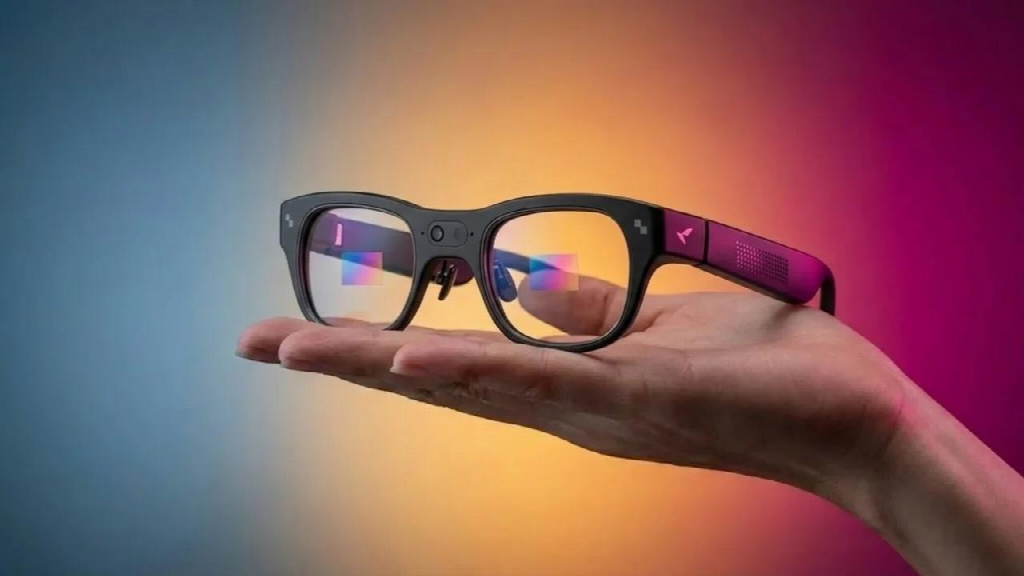
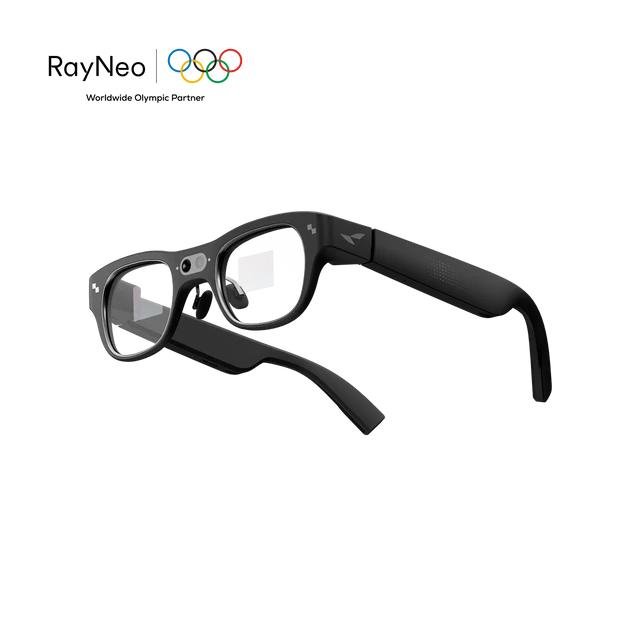
Smart glasses create a movie screen effect through micro displays, which are tiny high-brightness panels built into the frame. These displays project images through optical systems that guide light toward each eye, making a virtual screen appear at a comfortable viewing distance. In the RayNeo X3 Pro AI+AR Glasses, a full-color MicroLED display and binocular diffractive waveguide system work together to present a 43-inch virtual display at 2 meters. Its 640 × 480 resolution, 16.77 million colors, 30° field of view, and brightness rated at 3,500 nits average and 6,000 nits peak help content stay visible and vivid. The result feels more like watching a floating personal screen than viewing a tiny embedded panel.
How Smart Glasses Deliver Immersive Viewing Anywhere
Smart glasses make movie watching more immersive by isolating the display in your line of sight while leaving your body free to sit, recline, or travel. Because the screen is wearable, you do not need a wall, stand, or large room to enjoy a cinematic view. Many models also pair with phones, tablets, or built-in app environments so streaming content can follow you easily. Bright displays and close-to-eye optics help preserve clarity in varied lighting conditions, while integrated audio adds privacy and atmosphere. Advanced models can also layer useful functions over entertainment, such as quick notifications or voice help, without forcing you to stop playback and switch devices in the middle of a film.
How Smart Glasses Transform Gaming Experiences
Motion Tracking and Interactive Gaming Features
For gaming, smart glasses do more than show a virtual screen. They can track movement and position to make play feel more responsive and spatial. Sensors detect head motion, while advanced systems use 6DoF tracking and SLAM to understand where you are in relation to the surrounding space. That allows interactive overlays, more stable virtual objects, and game experiences that react as you look around or move. In glasses built for AR interaction, these features support more natural aiming, exploration, and hands-free control options. Cameras and microphones can also support environmental awareness, voice input, and mixed-reality features, giving games a stronger sense of presence than standard flat-screen play on a phone or handheld device.
Connectivity, Controls, and Gaming Compatibility
Gaming performance also depends on how smart glasses connect and communicate with other devices. Some act mainly as wearable displays for a phone, tablet, or computer, while others run apps through their own operating environment. The RayNeo X3 Pro uses RayNeo AIOS with a built-in Android virtual environment, letting users access apps directly through the AR display. A Snapdragon AR1 Gen 1 processor, 4GB RAM, and 32GB storage support onboard functions, while Creator Mode with Unity ARDK and Android ARDK expands development and interactive use. Controls may come from touch input, voice commands, connected devices, or app interfaces. This flexibility helps smart glasses support casual games, cloud gaming, and more interactive AR experiences.
Key Features to Consider When Choosing Smart Glasses
Display Quality, Comfort, and Wearability Factors
When choosing smart glasses for movies and gaming, start with display quality and fit. A bright, color-accurate image matters because low brightness or weak contrast can make films and games look flat, especially in brighter environments. Field of view also affects how large and natural the image feels. Comfort is just as important. Glasses that are too heavy, unbalanced, or tight become distracting during longer sessions. Look for frames designed for extended wear and, if needed, prescription-ready support so the picture stays sharp without compromise. Everyday usability improves when the glasses feel stable while moving, sitting, or commuting. The best experience comes from a balance of visual performance, comfort, and practical wearability rather than specs alone.
Battery Life, Audio Performance, and Smart Functions
Battery life shapes how useful smart glasses feel away from a charger, especially for travel, commutes, or longer viewing sessions. Fast charging helps reduce downtime, and USB-C support keeps charging simple. Audio also matters because weak sound can reduce immersion even if the display looks great. Built-in microphones improve calls, voice commands, and in-game communication, while directional sound can make entertainment feel more private. Smart functions add extra value beyond movies and gaming. Features such as AI assistance, real-time translation, meeting notes, teleprompter tools, cameras, and heads-up navigation can turn one device into an everyday companion. If you want more than a wearable screen, these integrated capabilities can make smart glasses far more practical.
Conclusion
Smart glasses work for movies and gaming by combining miniature displays, optical projection, audio systems, sensors, and connected software into a wearable format. For movies, they create a personal big-screen effect that travels with you. For gaming, they add motion awareness, interactive overlays, and flexible control options that can make play feel more immediate and engaging. The overall experience depends on a few core factors: display brightness and clarity, comfort during longer sessions, battery performance, audio quality, and software compatibility. Devices that also include AI tools, navigation, translation, and app access extend their value well beyond entertainment. If you want portable immersion without carrying a larger screen, smart glasses offer a clear and practical answer for both watching and playing.