Ways to Ensure Your Roofing Contractor Provides Quality Results
A roof is one of the most important parts of any home or building. It protects the structure from rain, heat, wind, and other environmental factors while also contributing to the overall safety and comfort of the people inside. Because roofing projects involve a significant investment, homeowners naturally want the work to be completed with the highest level of quality and professionalism.
However, many people experience issues with roofing work due to poor contractor selection, unclear communication, or lack of proper planning. Problems such as leaks, weak installation, or low-quality materials can lead to costly repairs in the future. To avoid these risks, it is important to take certain steps that ensure your roofing contractor delivers reliable and high-quality results.
The following guide explains practical ways homeowners can ensure that their roofing project is completed professionally and that the final outcome meets long-term durability and safety standards.
Understanding the Importance of Quality Roofing Work
Quality workmanship in roofing is essential because the roof acts as the first line of defense against environmental damage. A properly installed roof not only protects your property but also improves energy efficiency and enhances the overall value of your home.
Poor roofing work can lead to several issues, including water leaks, mold growth, insulation damage, and structural deterioration. Even small mistakes during installation can result in long-term problems that may not appear immediately but can become serious over time.
Ensuring quality work from your contractor means focusing on every stage of the project, from planning and material selection to installation and final inspection. When each step is handled correctly, the roof will perform effectively for many years.
Researching and Selecting the Right Contractor
One of the most important steps in ensuring quality roofing work is choosing a reputable contractor. The contractor you hire will determine the level of craftsmanship, materials, and professionalism involved in the project.
Before making a decision, it is important to conduct thorough research. Look for contractors with a strong reputation in your local area. Online reviews, customer testimonials, and recommendations from neighbors or friends can provide valuable insights into a contractor’s reliability.
Experienced contractors usually have a portfolio of previous work that demonstrates their expertise. Reviewing past projects can help you understand their capabilities and determine whether their work meets your expectations.
Taking the time to evaluate several contractors rather than hiring the first one you find can significantly improve your chances of achieving high-quality roofing results.
Verifying Licenses and Professional Credentials
Professional roofing contractors should meet specific licensing and certification requirements depending on local regulations. Verifying these credentials is essential to ensure that the contractor has the necessary training and qualifications.
Licensed contractors are generally more knowledgeable about building codes, safety regulations, and industry standards. This ensures that the roofing project will be completed according to proper guidelines.
In addition to licensing, it is also important to confirm that the contractor carries adequate insurance coverage. Insurance protects both the homeowner and the workers in case of accidents or property damage during the project.
Hiring a contractor who meets all legal and professional requirements greatly reduces potential risks and increases the likelihood of quality workmanship.
Reviewing Past Work and Customer Feedback
Another effective way to ensure quality results is by reviewing the contractor’s previous work and speaking with past clients. This step provides direct insight into the contractor’s reliability, work ethic, and attention to detail.
Ask the contractor to provide references from recent roofing projects. When speaking with previous customers, inquire about their experience with the contractor, including whether the project was completed on time and whether the final results met their expectations.
Customer feedback often reveals important details that may not be obvious during the initial consultation. Positive reviews and satisfied clients usually indicate that the contractor consistently delivers dependable work.
Requesting a Detailed Project Estimate
A professional roofing contractor should provide a clear and detailed estimate before starting the project. This document outlines the expected costs, materials, labor requirements, and project timeline.
A well-prepared estimate helps homeowners understand exactly what they are paying for and prevents misunderstandings later. It also demonstrates that the contractor is organized and transparent about the project.
Carefully reviewing the estimate allows you to compare different contractors and choose the one that offers the best balance of quality, reliability, and cost.
Discussing Roofing Materials and Their Quality
The durability and performance of a roof depend heavily on the materials used during installation. High-quality materials may cost more initially, but they provide better protection and last longer than cheaper alternatives.
A knowledgeable contractor should explain the advantages and disadvantages of different roofing materials and recommend the most suitable option for your home.
Common roofing materials include asphalt shingles, metal roofing, clay tiles, and slate. Each option has unique characteristics related to durability, maintenance requirements, and cost.
Choosing the right materials ensures that the roof can withstand weather conditions and maintain its structural integrity for many years.
Maintaining Clear Communication During the Project
Communication between the homeowner and the contractor plays a major role in ensuring successful roofing results. Clear communication helps avoid confusion and ensures that both parties understand the project requirements.
Discuss important details such as the expected start date, project timeline, and daily work schedule. If any changes or issues arise during the project, they should be addressed immediately through open communication.
Regular updates from the contractor allow you to monitor progress and ensure that the work is proceeding according to plan.
In the modern digital world, many homeowners also explore online platforms to learn more about construction techniques, home improvement ideas, and contractor experiences. While browsing different informational platforms, some users may even come across diverse digital hubs such as Avtube that highlight how online communities share insights across various industries.
Ensuring Proper Worksite Safety and Cleanliness
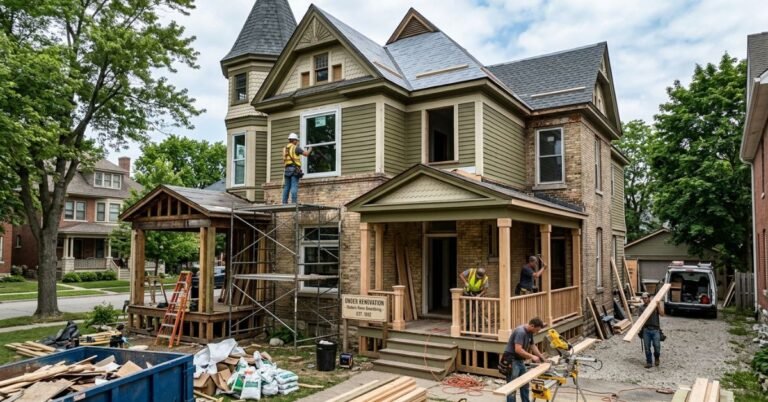
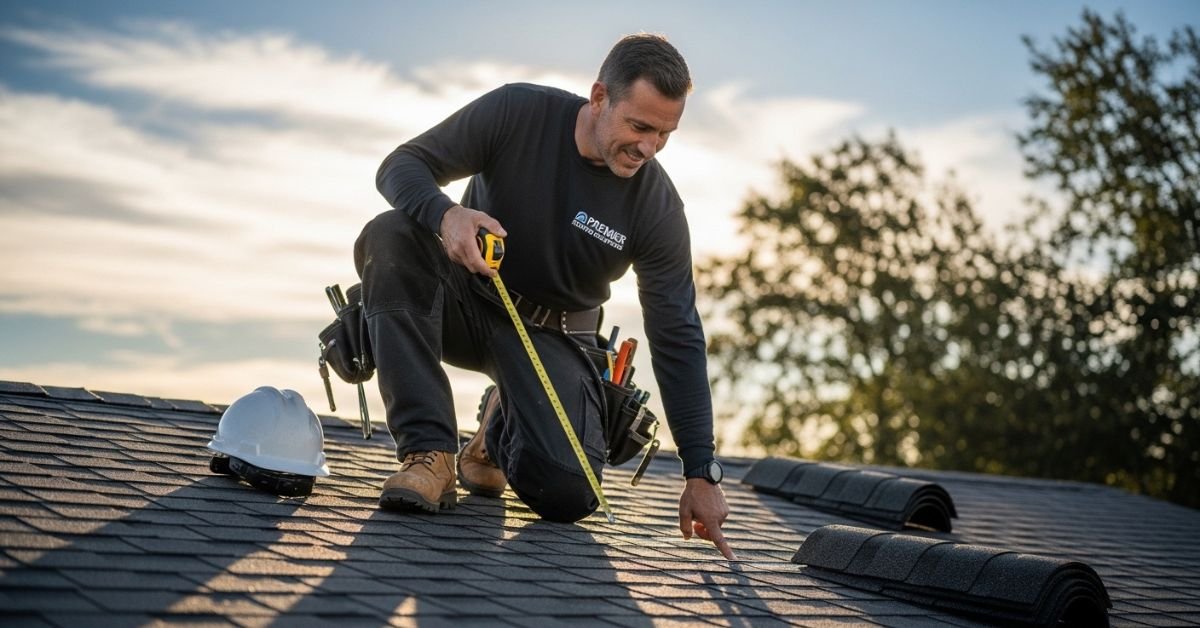
A professional roofing contractor should prioritize safety at the worksite. Roofing projects involve working at heights and handling heavy materials, which can create potential hazards.
Contractors should use proper safety equipment, follow safety guidelines, and ensure that their team is trained to handle roofing tasks safely.
In addition to safety, maintaining a clean worksite is also important. Debris, old roofing materials, and construction waste should be properly removed throughout the project. A clean worksite reflects professionalism and respect for the homeowner’s property.
Monitoring the Installation Process
Although homeowners are not expected to supervise every detail of the roofing work, it is beneficial to stay informed about the installation process. Observing progress occasionally can help ensure that the work is being performed according to the agreed plan.
If you notice any concerns or inconsistencies, discussing them with the contractor immediately can prevent small issues from becoming major problems.
A trustworthy contractor will appreciate your interest in the project and will be willing to explain different aspects of the installation process.
Conducting a Final Inspection After Completion
Once the roofing project is completed, a final inspection should be conducted to ensure that everything meets quality standards. The contractor should review the finished work with you and explain the results of the project.
During the inspection, check for proper installation, clean finishing, and any visible issues that may require attention. Make sure all debris has been removed and the surrounding area has been restored.
A professional contractor will also provide warranty information for both materials and workmanship. This warranty offers additional protection and ensures that any potential issues can be addressed in the future.
Conclusion
Ensuring quality results from a roofing contractor requires careful planning, research, and active communication throughout the project. From selecting a reputable contractor to reviewing materials and monitoring progress, each step plays a crucial role in achieving a durable and reliable roof.
By verifying credentials, reviewing past work, requesting detailed estimates, and maintaining open communication, homeowners can significantly reduce the risk of poor workmanship. A well-installed roof not only protects your home but also adds long-term value and peace of mind.
Investing time and effort into choosing the right contractor ultimately ensures that your roofing project delivers the quality, safety, and durability that every homeowner expects.