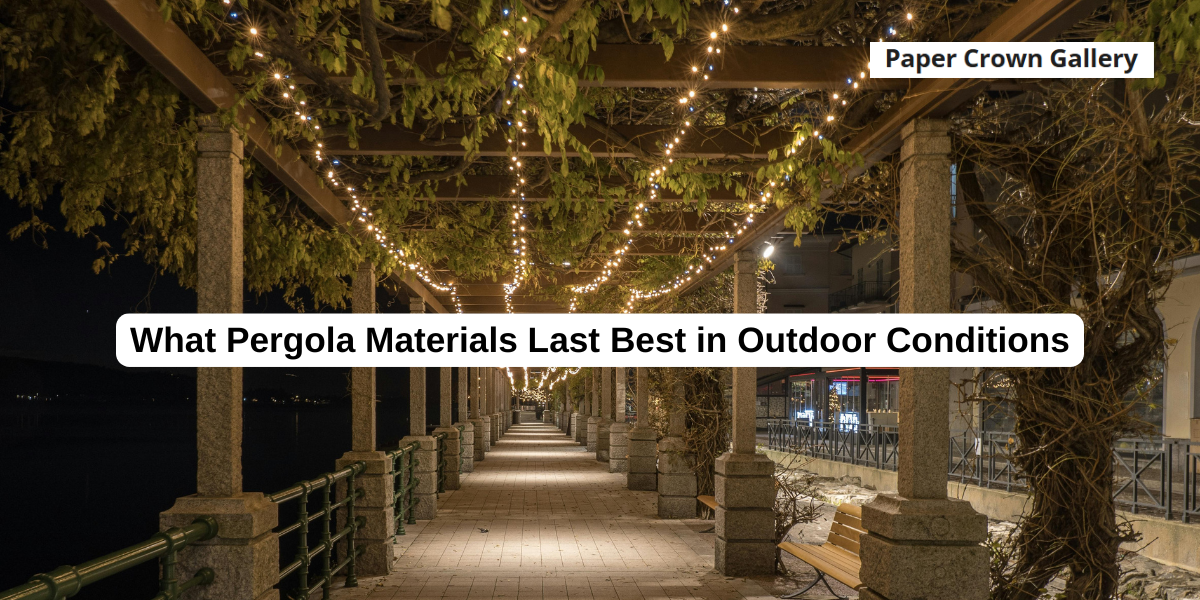
Simply put, Aluminum and powder-coated steel last best in outdoor conditions. These materials resist rust, rot, and warping, which means they can handle years of rain, snow, and harsh sun without needing constant care.
At https://papercrowngallery.com, we’ve spent over 30 years installing retractable pergolas built to withstand the elements. And we know how much a poor material choice can cost you. You’ll face repairs, resealing, repainting, and a structure that quickly loses its appeal. Plus, replacing low-quality materials consumes more energy and resources.
That’s why we wrote this guide. We’ll compare eco-friendly pergola materials and durable pergola options with pros and cons, so your outdoor structures stay beautiful for years.
First, we’ll review the top pergola materials and what makes them weather-resistant.
Contents
Best Pergola Materials That Stand Up to Outdoor Weather
Aluminum, fiberglass, and composite materials last longest outdoors. They resist rot, rust, and weather damage without needing much care. Wood and vinyl can also hold up well, but they require more attention and suit certain climates better than others.
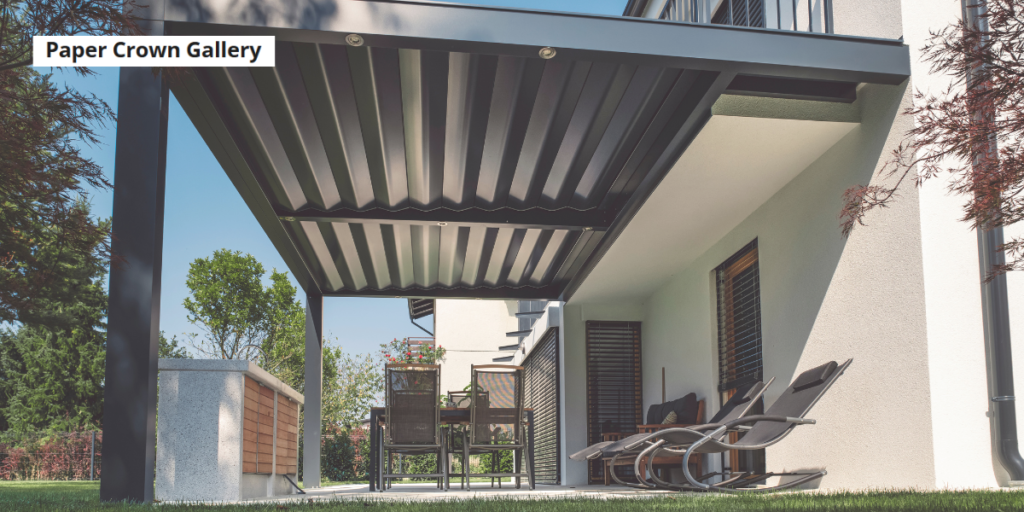
Let’s break down each option so you can pick what works best for your outdoor space.
Natural Wood Options
Cedar, redwood, pressure-treated pine, and reclaimed wood are classic choices for a wood pergola. They bring rustic charm and natural beauty that pair nicely with garden structures and climbing plants.
But the trade-off is maintenance. Wood needs regular sealing (a weatherproof or exterior-grade wood sealant) to keep rot and insects away. If you skip this step, rain, humidity, and sun exposure will wear it down over time.
We’ve learned that even well-built wood pergolas need a fresh coat of sealant every year or two to stay strong and looking good. So regular care will be essential to keep your wood pergola safe and beautiful for the long term.
Vinyl Pergolas
If you want something easy to care for, vinyl pergolas are worth considering. They don’t rot or attract insects, so you can skip the resealing and repainting that wood demands.
There’s a catch, though. Strong sun and extreme temperatures (like summer heat above 35°C or winter conditions below 0°C) can cause vinyl to fade or crack after a few years. Because of this, vinyl pergolas work best in areas with mild, steady weather. If your region sees harsh summers or freezing winters, you might want to consider the other materials we covered.
Aluminum Pergolas
Aluminum pergolas are lightweight yet strong, which makes them easy to install and built to last. Most come with powder coating that guards against rust and scratches, so they will look fresh for years.
You also get plenty of customization options. Aluminum comes in various colors, including wood-grain looks that can give you the warmth of timber without the extra maintenance we mentioned.
This makes aluminum a great choice for anyone who wants a durable pergola that combines outdoor luxury with easy upkeep.
Fiberglass Pergolas
Fiberglass pergolas come with a higher price tag (often 20-40% higher than the others), but they deliver serious durability in return. This material resists rot, warping, and salt air, which makes it particularly ideal for coastal homes. It also handles heavy snow loads without cracking or bending.
If you live somewhere with tough weather conditions, like heavy snow, strong winds, or salty coastal air, fiberglass is a smart long-term investment. Yes, you’ll pay more upfront, but you won’t be replacing or repairing your pergola every few years. In fact, it could easily last for decades with maybe some rare major repairs.
Composite (WPC)
Wood Plastic Composite, often called WPC, combines reclaimed wood fibers with recycled plastics. The result looks like natural wood but doesn’t rot or soak up moisture the way timber does.
But WPC isn’t as structurally strong as the other materials. These composites are great for lighter shade structures, but it may not hold up as well as metal or fiberglass for larger pergola designs. So if you’re planning a bigger build, you might need a sturdier material choice to maintain structural integrity over time.
Eco-Friendly Pergola Materials and Smart Design Tips
The best pergola choices balance durability, environmental impact, and long-term value. In other words, if you pick sustainable materials and smart design features, you’ll create a long-lasting structure that reduces its impact on the planet.
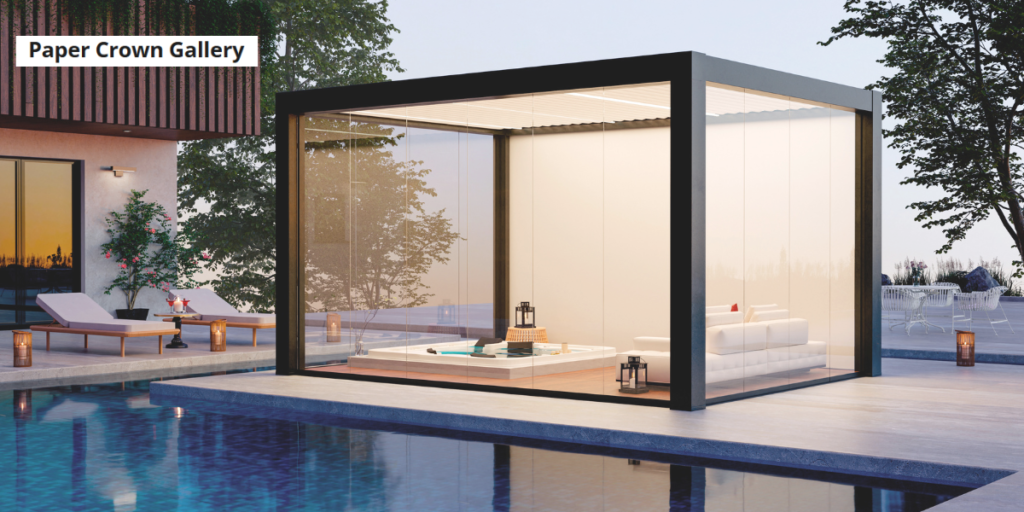
So here’s a look at some practical ways to build more efficiently from the start.
Long-Term Value Over Upfront Cost
A cheap price tag can be tempting, but it doesn’t always mean you’re saving money. For example, budget materials like untreated wood or basic vinyl often need repairs or replacements within a few years.
But, as we mentioned earlier, while fiberglass and aluminum pergolas cost more at first, they pay off over time. Both materials keep their structural integrity for decades without needing much attention.
Once you add up the full life cycle, including repairs, resealing, and eventual replacement, these durable pergola options usually end up cheaper than going the budget route.
Sustainable Material Choices
If you care about environmental impact, you probably want to know where your materials come from. A good pick is FSC-certified wood, which comes from responsibly managed forests, so you’re not supporting harmful logging. Reclaimed wood is another eco friendly option that reuses old timber and adds unique character to your build.
We’d also recommend aluminum as a strong pick since it’s highly recyclable. In fact, 60% of the aluminum used in today’s building and construction comes from recycled material.
As for vinyl and chemically treated lumber, it’s best to stay away from them. This is because vinyl releases harmful chemicals like PVC fumes and dioxins during production. And treated wood can sometimes leak arsenic or copper compounds into the soil over time.
Pergola Design Features That Help Longevity
The way you design your pergola also affects how long it lasts and how much you enjoy your outdoor living space.
For instance, a louvered pergola (or with adjustable slats) lets you control sunlight and airflow, which prevents heat build-up and moisture. For extra comfort, you can add ceiling fans to improve air circulation or grow climbing plants along the frame for natural shade.
And if you like flexibility, an open roof paired with a retractable canopy will let you adjust your coverage depending on the weather.
Climate-Smart Material Picks
Finally, your local weather conditions play a big role in your material choice. For example, in regions with heavy snow loads, fiberglass and aluminum are solid picks because they handle the weight without cracking.
Coastal zones bring a different challenge since salt air eats through most metals quickly. For these areas, powder coating is a must. This protective finish seals out moisture and blocks rust, which will keep your pergola in good shape for years.
We’ve seen powder-coated aluminum outlast unprotected options by a decade or more in tough climates.
Make the Right Pergola Material Choice for Your Outdoor Luxury
So, which pergola materials are catching your eye for your backyard oasis?
Before you decide, it’s worth thinking past the next couple of seasons. A pergola will be a long-term investment in your outdoor living space to serve your family for decades. So, choose the right material now, and you can save money on repairs. This will keep maintenance low, and reduce your environmental impact down the road.
Here are a few simple questions to ask yourself:
- Will this material hold up in your climate?
- Can it last 15 to 20 years?
- Does it fit your home’s style?
- And is it a sustainable option?
After that, you can look through different pergola designs to spark ideas, or connect with a builder who knows your local weather conditions well.
If you want durable, low-maintenance outdoor structures that stand the test of time, Paper Crown Gallery can help you build the perfect outdoor space.