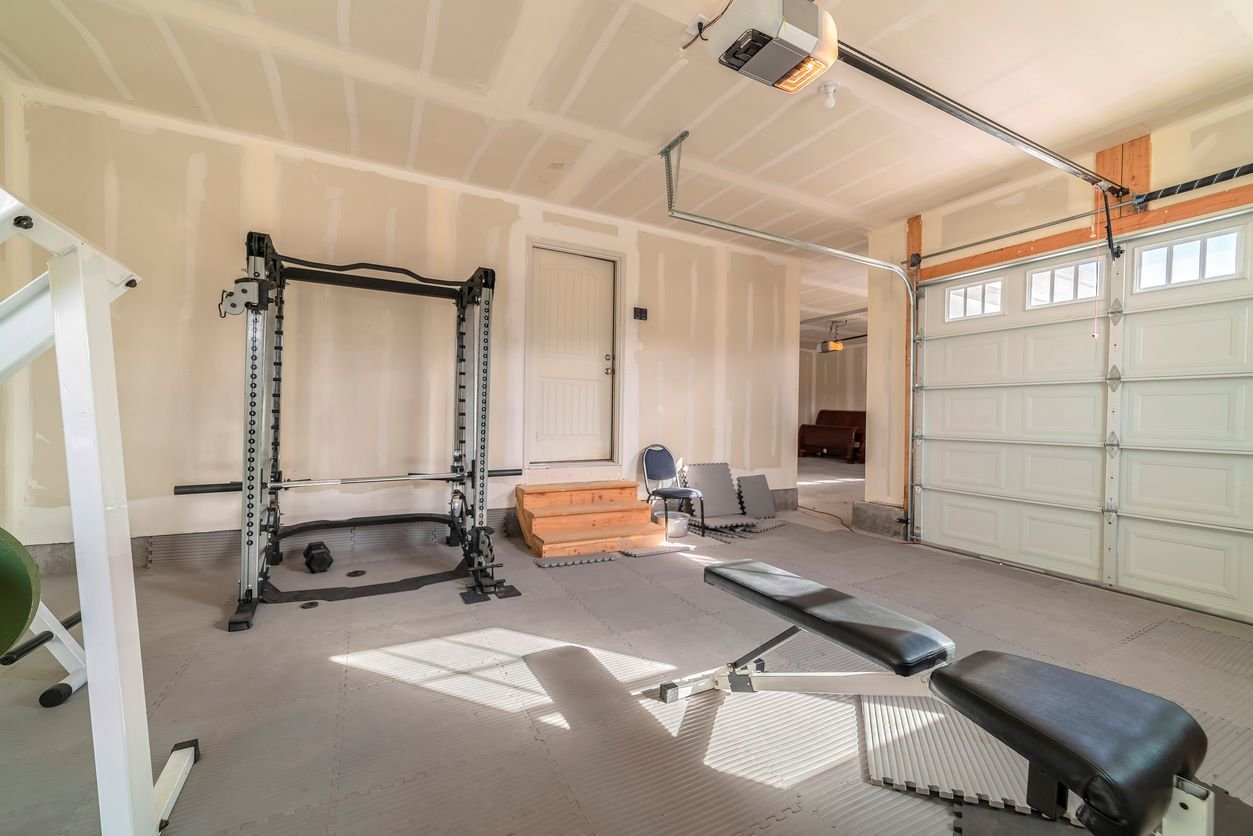
You’ve seen the Instagram posts. Home gyms filled with fancy machines, perfect lighting, and more equipment than a professional fitness center. It’s overwhelming. Here’s the truth: you don’t need all that stuff to get fit at home. In fact, starting simple works better for most people. This guide cuts through the noise and shows you exactly what you need to build a home gym that actually gets used. No fluff. No wasted money. Just the essentials that deliver results.
Why Start with a Home Gym?
Building a home gym is one of the smartest fitness decisions you can make. Think about it. The average gym membership costs between $30 to $60 per month. That’s $360 to $720 per year. After just two years, you’ve spent over $1,000 on memberships alone. A basic home gym setup costs less than that and lasts for years.
Save Time and Money
No more driving 15 minutes to the gym, waiting for equipment, then driving back. That’s an hour of your day gone before you even finish your workout. With a home gym, you walk into your spare room or garage and start moving. You’re done in 30 minutes if you want. Plus, once you invest in quality gym equipment, it’s yours forever. No monthly bills. No contracts. Just you and your workout whenever you’re ready.
Work Out on Your Schedule
Got 20 minutes before the kids wake up? Workout time. Lunch break at home? Workout time. Can’t sleep at midnight? You can exercise without bothering anyone. Your home gym doesn’t have peak hours or closing times. It’s always open, always available, and never crowded.
The Core Equipment You Need
Let’s talk about what actually matters. These four items form the foundation of an effective home gym. Everything else is extra.
Adjustable Dumbbells
This is your number one purchase. Adjustable dumbbells replace an entire rack of weights. They save space and save money. You can do hundreds of exercises with just one set. Chest presses, rows, shoulder raises, squats, lunges—the list goes on.
Look for dumbbells that adjust from 5 to 50 pounds. That range works for beginners and stays useful as you get stronger. They might cost more upfront than regular dumbbells, but buying five or six pairs of fixed-weight dumbbells costs way more. Plus, where would you store them all?
Resistance Bands
These stretchy bands are seriously underrated. They cost about $20 for a full set and fit in a drawer. Don’t let the low price fool you. Resistance bands build real strength and work for every fitness level.
You can use them for warm-ups, strength training, stretching, and mobility work. They’re perfect if you travel a lot or have very little space. The different resistance levels mean you can make exercises harder as you improve. Bands also go easy on your joints, which matters as you age.
Quality Exercise Mat
A good mat protects your floor and your body. You need it for stretching, core exercises, yoga, and any floor work. It also gives you a dedicated workout space, even in a small apartment.
Look for a mat that’s at least half an inch thick. Thicker is better if you have hard floors or do a lot of floor exercises. Material matters too. Get something with good grip that doesn’t slide around. You’ll use this mat almost every workout, so buy one that lasts.
Pull-Up Bar or Suspension Trainer
Your back and arms need pulling exercises. A doorway pull-up bar costs about $30 and installs in seconds. No drilling required. It works for pull-ups, chin-ups, and hanging exercises. Can’t do a pull-up yet? That’s fine. You can start with dead hangs or use resistance bands for assistance.
If pull-ups aren’t your thing, grab a suspension trainer instead. These are the straps that hang from your door or ceiling. They’re incredibly versatile. You can do rows, chest presses, core work, and even lower body exercises. They also pack up small, which is great for tiny spaces.
Smart Add-Ons When You’re Ready
Once you’ve used your basic equipment for a few months, you might want to expand. Here are the best next purchases.
Kettlebell
One kettlebell opens up a whole new world of exercises. Swings, goblet squats, Turkish get-ups, and carries all build serious strength. Kettlebells also mix cardio and strength training in one movement. Your heart rate goes up while your muscles work hard.
Start with one medium-weight kettlebell. For most people, that’s 15 to 25 pounds for women and 25 to 40 pounds for men. You’ll be surprised how much work one weight can do.
Foam Roller
Recovery matters as much as the workout itself. Foam rollers help your muscles feel better after training. They reduce soreness, improve flexibility, and help prevent injuries. Rolling out your muscles for just five minutes after a workout makes a huge difference.
These cost around $20 to $40. Look for a medium-density roller to start. The super-firm ones hurt too much for beginners.
Adjustable Bench
A workout bench multiplies your exercise options. It turns your dumbbells into a full chest and back workout station. You can do incline presses, decline work, step-ups, and Bulgarian split squats.
Get a bench that folds up if space is tight. Make sure it adjusts to different angles. A flat-only bench limits what you can do.
Setting Up Your Space
You don’t need a huge area. A space big enough to do jumping jacks works fine. That’s roughly six feet by six feet. A spare bedroom corner, part of your garage, or even your living room can work.
Keep your equipment organized. Wall hooks hold resistance bands and your pull-up bar. A small bin stores smaller items. Good lighting helps too. Working out in a dark, dingy space kills motivation. Open the curtains or add a bright lamp.
The key is keeping it simple and inviting. You want to walk into your space and feel ready to move, not overwhelmed by clutter.
What You DON’T Need Right Away
Forget the treadmill. Walking outside is free and probably more enjoyable. Skip the full power rack unless you’re seriously into heavy lifting. Avoid specialty machines that only do one exercise. And don’t buy equipment for workouts you might do someday. Buy for the workouts you’ll actually do this week.
Many people waste money trying to recreate a commercial gym at home. That’s not the goal. Your goal is having enough equipment to stay consistent. Less is often more when you’re starting out.
Start Small, Build Smart
Here’s your action plan. Start with adjustable dumbbells, resistance bands, and a mat. That’s it. Use them for a month. Once you know your workout routine and what you enjoy, add one more item. Maybe it’s the pull-up bar. Maybe it’s a kettlebell.
Building a home gym isn’t about having everything. It’s about having what you’ll actually use. The best equipment is the equipment that doesn’t collect dust. Focus on consistency over collection. Show up. Do the work. Results follow.
Your home gym doesn’t need to be perfect. It just needs to be ready when you are. Start with the basics today, and you’ll be amazed at what you can achieve with so little.